
Building on a Wooded Lot in Iredell County: What to Clear and What to Keep
Developing a wooded parcel in Mooresville or Troutman requires smart planning. Learn how to clear building pads efficiently while protecting the health of your prize shade hardwoods.
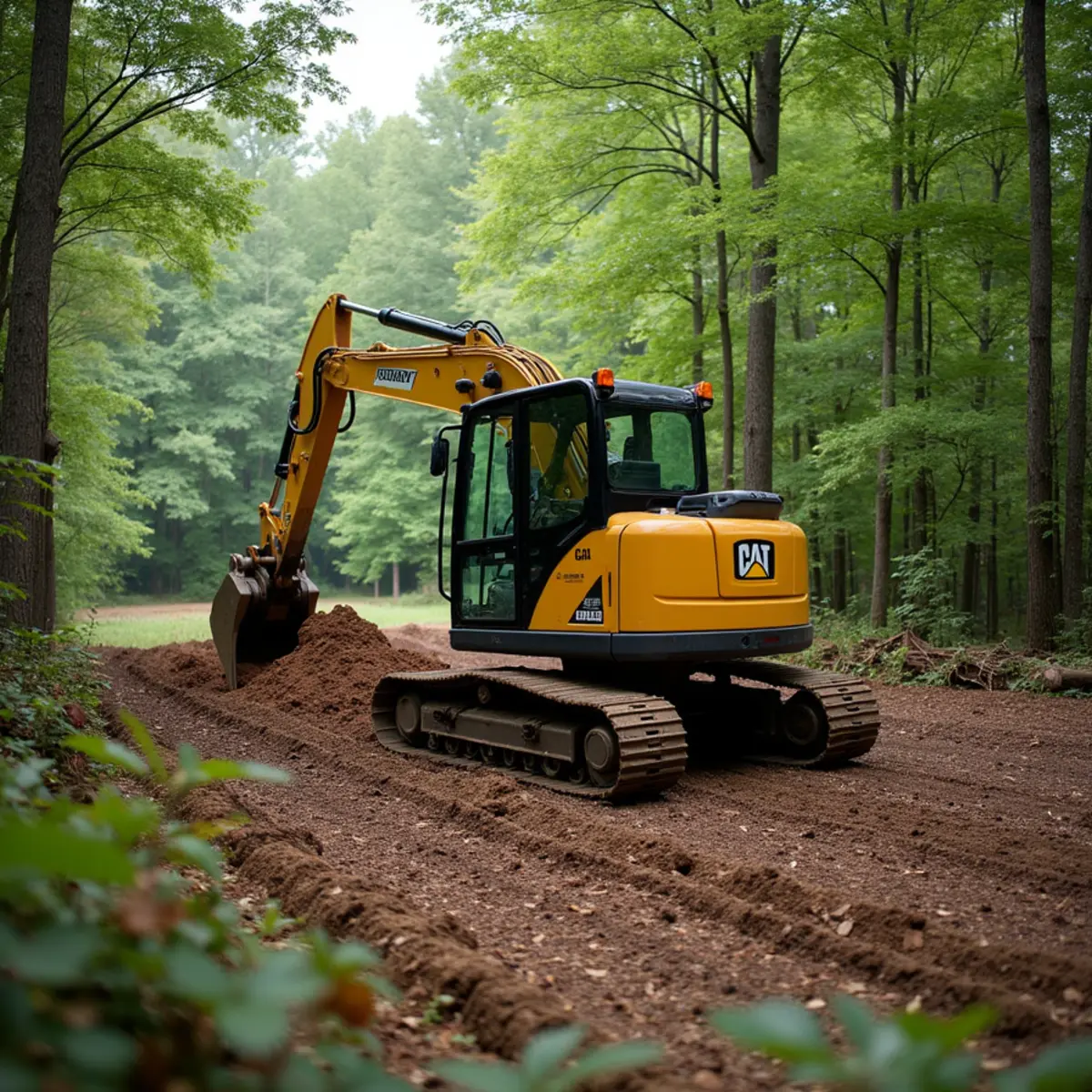
Selective Clearing vs. Bulldozer Scraping: Preserving Natural Value
Building a custom home or equestrian estate on a wooded parcel in Mooresville, Troutman, or Statesville is one of the most rewarding investments a property owner can make. However, the initial site preparation phase often sets the stage for either long-term landscape beauty or decades of costly tree hazards.
Traditional grading contractors typically bring heavy track bulldozers to clear lots, ruthlessly scraping away every living plant, stripping away fertile topsoil, and pushing debris into massive brush piles. This outdated approach destroys natural soil microbiology, invites catastrophic erosion on sloped red clay terrain, and severely damages root plates of trees intended to be saved.
Modern selective lot clearing takes a precision approach: targeting low-value underbrush and invasive saplings with forestry mulchers while carefully preserving mature, healthy specimen hardwoods that add tens of thousands of dollars to your completed home's appraisal.
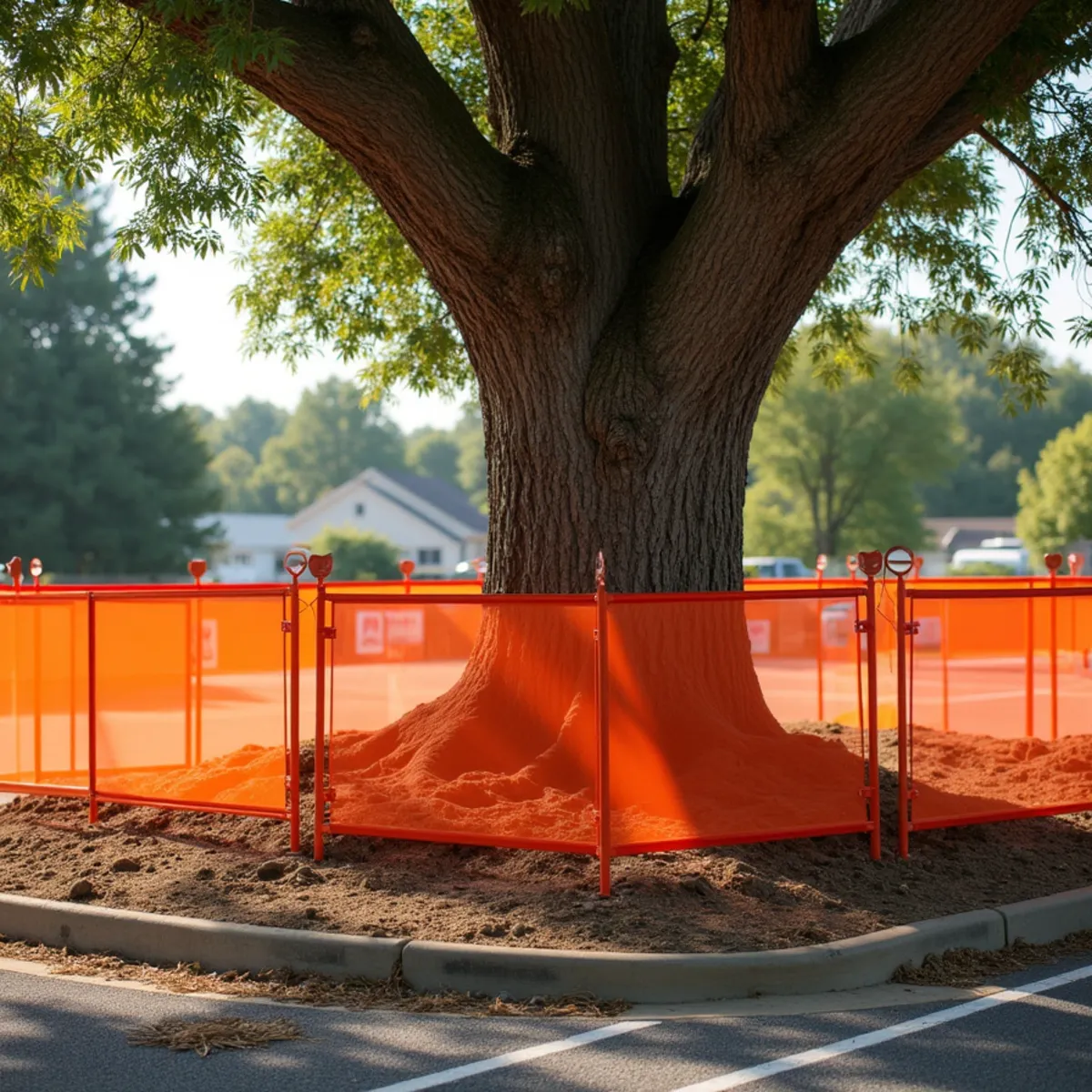
Establishing Tree Protection Zones (TPZ) and Critical Root Calculations
The number one killer of mature shade trees during residential construction is invisible root compaction. In Piedmont red clay, more than 90% of a tree's active absorbing roots live within the top 12 to 18 inches of soil, extending outward well beyond the visible foliage dripline.
To safeguard specimen trees before survey stakes are set and backhoes arrive, enforce strict Tree Protection Zones (TPZ): 1. Calculate the Critical Root Zone (CRZ): Measure trunk diameter at 4.5 feet (DBH). Multiply each inch of DBH by 1.25 feet to determine the minimum protection radius. A 20-inch oak requires a 25-foot radius protection zone. 2. Erect High-Visibility Fencing: Install sturdy, 4-foot bright orange chain-link or plastic barrier fencing along the calculated CRZ boundary. 3. Prohibit All Site Activity: Forbid equipment parking, cement truck washout, material staging, and foot traffic within the TPZ boundary. 4. Avoid Grade Changes: Adding fill dirt over root flares suffocates oxygen exchange, while scraping soil away cuts vital lateral support roots.
Questions About Your Trees?
Speak directly with our local tree team. No automated robots.
Cecil Red Clay Dynamics: Compaction, Rutting, and Drainage Traps
The native soil across Iredell and Rowan counties is Cecil red clay—an ancient, highly weathered clay rich in iron oxides. While exceptionally stable when properly managed, Cecil clay is extremely vulnerable to mechanical compaction when damp.
A single pass by a loaded concrete mixer or 20-ton excavator across wet clay compresses soil porosity, crushing the microscopic voids through which roots absorb oxygen and water. Furthermore, careless grading often creates unintended 'drainage traps'—funneling roof gutter runoff directly toward the bases of preserved hardwoods, leading to chronic anaerobic root rot and premature tree mortality.
Specimen Preservation Strategy: What Trees to Keep vs. What to Clear
When walking your wooded parcel with our team, we conduct a species-by-species inventory to identify which trees warrant preservation and which should be cleared: • High-Value Specimen Trees to Preserve: - White Oak (Quercus alba): Majestic, strong branch architecture, lifespan exceeding 200+ years. - Hickory (Carya spp.): Exceptionally dense wood, excellent wind tolerance, vibrant golden autumn canopy. - American Beech (Fagus grandifolia): Smooth silver bark, magnificent branching, great shade canopy. - Flowering Dogwood (Cornus florida): Understory beauty that thrives in dappled forest shade. • High-Risk Trees to Clear Near Building Envelopes: - Loblolly Pines: Tall, shallow-rooted, and highly susceptible to sudden uprooting during summer storms. - Sweetgum (Liquidambar styraciflua): Weak wood, invasive surface root flares that crack driveways and patios. - Decayed or Cavity Hardwoods: Hollow trees or multi-trunk V-crotches within striking distance of your planned foundation.
Iredell County Erosion Control, Silt Fencing, and Grading Compliance
Clearing wooded acreage triggers legal environmental responsibilities. Under the North Carolina Sedimentation Pollution Control Act and Iredell County Land Development Regulations, landowners must prevent sediment and red clay runoff from escaping onto adjacent parcels or into local creeks and Lake Norman tributaries.
Race City Tree Crew integrates professional erosion control into all land-clearing projects. By utilizing low-ground-pressure forestry mulchers, we leave an interlocking layer of shredded organic wood chips across cleared slopes. This mulch blanket absorbs heavy raindrops, prevents soil erosion, retains ground moisture, and eliminates the need for expensive synthetic erosion blankets. Call (321) 478-0689 to schedule a wooded lot clearing walkthrough.
Frequently Asked Questions
Why do trees left standing around newly built homes often die 3 to 5 years later?
Construction decline is almost always caused by subterranean soil compaction and grade alteration. Heavy equipment running over root zones crushes microscopic air pores in Cecil red clay, while adding even 2 to 3 inches of fill dirt over root flares suffocates fine feeder roots. Mature hardwoods may take 3 to 7 years to slowly exhaust stored starches and die.
What is forestry mulching, and how does it compare to traditional bulldozer clearing?
Forestry mulching uses high-flow tracked masticators to grind underbrush, saplings, and small stumps directly into a nutrient-rich organic groundcover. Unlike bulldozers that scrape away valuable topsoil and create massive burn piles, mulching leaves the soil profile intact, prevents red clay erosion, and eliminates haul-away disposal fees.
Do I need a land disturbance or grading permit to clear a wooded lot in Iredell County?
In Iredell County and municipal jurisdictions, clearing or disturbing land exceeding one contiguous acre (43,560 sq ft) requires an approved Erosion and Sedimentation Control Plan and Land Disturbing Permit under the NC Sedimentation Pollution Control Act before grading begins. Disturbed areas under one acre typically do not require county permits unless situated in watershed buffer zones.
How large should the tree protection zone (TPZ) be around mature oaks?
Standard arborist guidelines calculate the Critical Root Zone (CRZ) as 1.25 feet of protection radius for every 1 inch of trunk Diameter at Breast Height (DBH). For example, a 24-inch mature white oak requires a protected radius of at least 30 feet (a 60-foot diameter circular zone) enclosed by rigid fencing where no vehicles, material staging, or grading may occur.
What tree species should I preserve versus remove when building in southern Iredell?
Preserve deep-rooted, long-lived hardwoods such as White Oak, Southern Red Oak, Hickory, and American Beech. Remove structurally weak or pioneer species situated near building pads, including mature Loblolly Pines (vulnerable to windthrow and pine beetles), Sweetgums (shallow, aggressive roots), and brittle Bradford Pears.
Related Tree Services & Local Coverage:
Need Tree Service in Mooresville or Lake Norman?
Our local crews are ready 24/7. Get a transparent written price before any work begins.
Click to call instantly • 24 hours a day
Not Urgent? Send a Request
For the fastest help, call (321) 478-0689. Otherwise, send details below and we will contact you.