Leyland Cypress Turning Brown in a Lake Norman Yard: Trim, Treat or Remove?
Once the darling of Mooresville and Huntersville subdivision privacy screens, thousands of mature Leyland cypresses are now succumbing to aggressive fungal cankers and needle blights across the Piedmont.
The Rise and Vulnerability of the Piedmont Leyland Cypress Screen
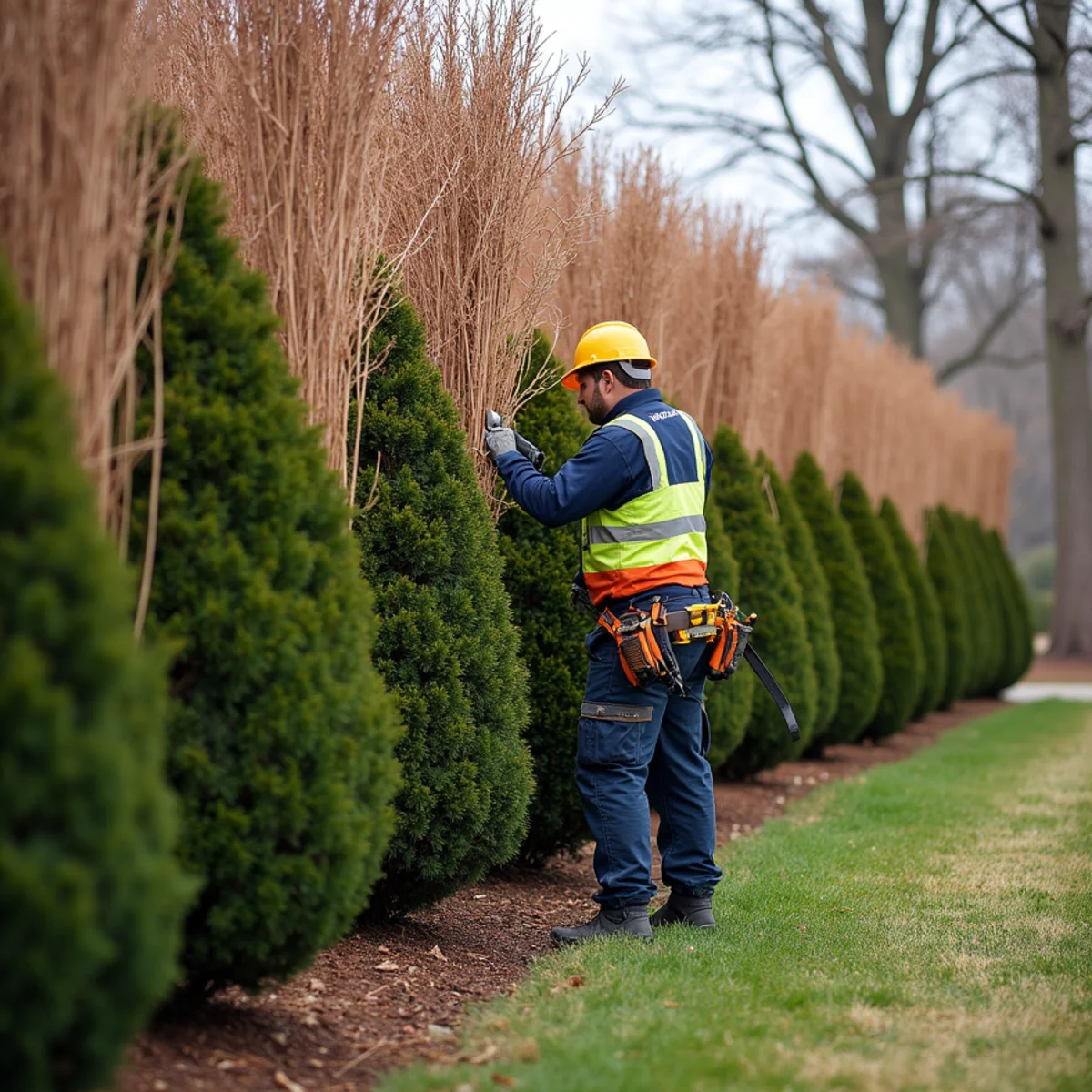
During the suburban residential housing boom of the 1990s and 2000s across Mooresville, Huntersville, and Davidson, the Leyland cypress (x Cupressocyparis leylandii) was the undisputed king of landscaping. Developers and homeowners eager for immediate privacy between narrow quarter-acre lots planted millions of these fast-growing conifers.
Initially, they delivered on their promise, shooting upward at 3 to 4 feet per year. However, Leyland cypresses were never ecologically suited for the hot, humid summer climate and dense, poorly draining red clay soils of the Carolina Piedmont. Today, neighborhoods across Lake Norman are grappling with massive rows of dying, copper-brown cypresses that create severe fire hazards and compromise property aesthetics.
Diagnosing the Three Primary Culprits: Seiridium, Botryosphaeria, and Cercospora
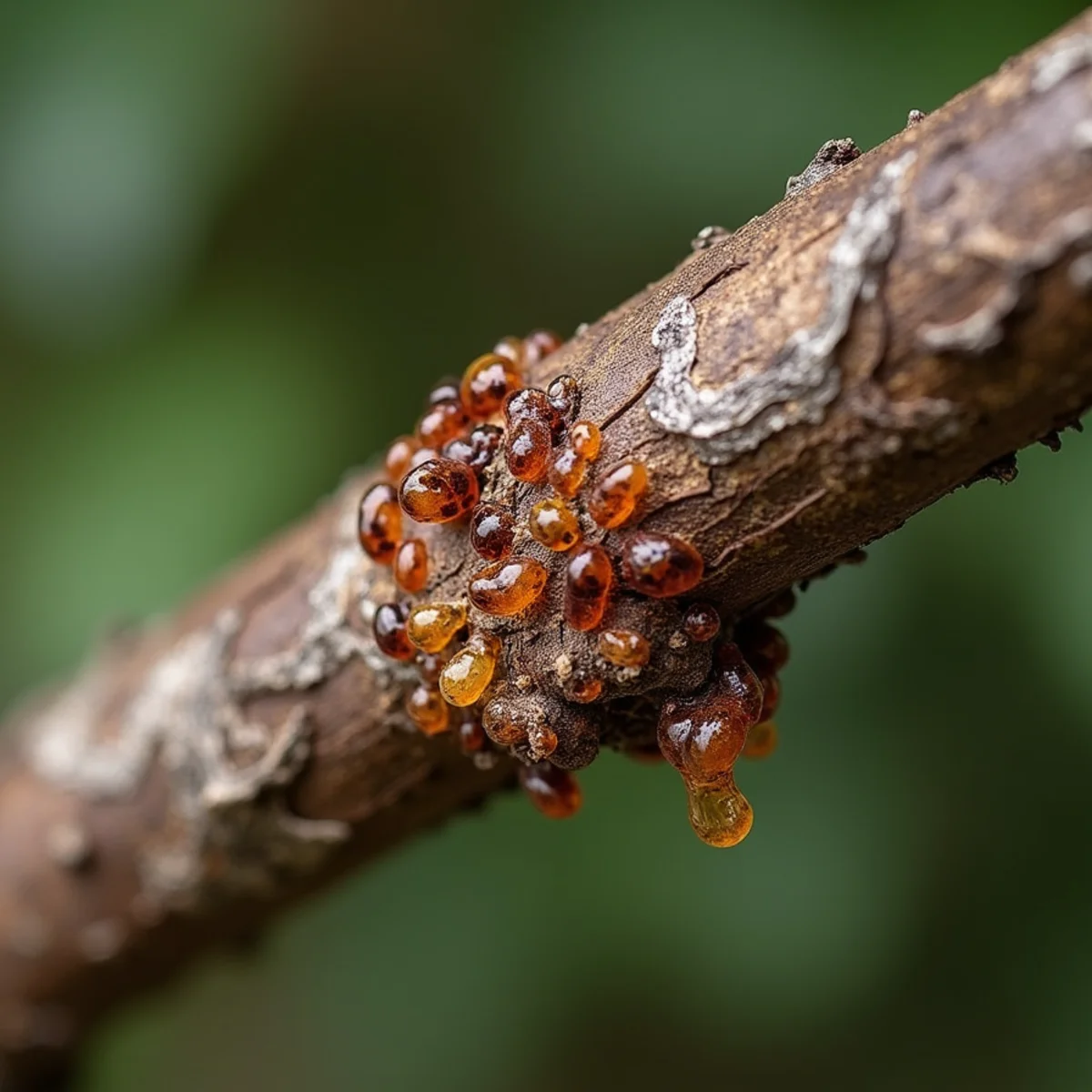
When Leyland cypress foliage transitions from vibrant forest green to sickly yellow, bronze, and dark brown, one or more virulent fungal pathogens are almost always responsible: 1. Seiridium Canker (Seiridium cardinale): The most destructive disease affecting local cypresses. Spores enter through bark fissures, creating sunken, dark reddish lesions (cankers) on main branches and trunks that weep amber-colored resin. The fungus girdles the branch vascular system, causing all foliage beyond the canker to rapidly scorch and die. 2. Botryosphaeria Canker (Botryosphaeria dothidea): Primarily attacks drought-stressed trees growing in compacted red clay. Unlike Seiridium, Botryosphaeria cankers do not heavily ooze sap; instead, entire branch sections abruptly turn brown and die back. 3. Cercospora Needle Blight (Pseudocercospora sequoiae): Manifests as interior needle browning and defoliation starting near the lower trunk and spreading outward and upward, leaving the tree with an unsightly, skeletal interior appearance.
Questions About Your Trees?
Speak directly with our local tree team. No automated robots.
Cecil Red Clay Drainage & Root Asphyxiation in Lake Norman Yards
A major underlying cause of cypress mortality in southern Iredell and northern Mecklenburg counties is soil hydrology. Cecil red clay possesses high water retention but abysmal percolation rates. In winter and early spring, heavy rainfall keeps root plates submerged in waterlogged mud, depriving feeder roots of essential oxygen and triggering Phytophthora root rot.
When summer drought arrives in July and August, the clay bakes into an impenetrable, brick-like crust that repels water and constricts root expansion. This chronic cycle of seasonal drowning followed by severe drought stress cripples the tree's natural defense mechanisms, allowing airborne fungal spores to easily overpower the tree's vascular system.
The Triage Decision: When Sanitation Pruning Works vs. Complete Dismantling
Homeowners frequently ask if their brown cypress row can be rescued. Arborists evaluate the tree based on the 30% threshold rule: • When Pruning May Help: If browning is confined to less than 15% to 20% of the lower canopy on small lateral branches, aggressive sanitation pruning during dry weather can prolong the hedge's lifespan. Cuts must be executed several inches below cankers with sterilized bypass loppers. • When Removal Is Unavoidable: If more than 30% of the tree's foliage is brown, if cankers have formed on the central main trunk, or if adjacent trees in the row are already completely dead, chemical sprays and pruning are futile. The trees will continue deteriorating into brittle fire hazards. Complete sectional dismantling followed by mechanical stump grinding is the only permanent, cost-effective solution.
Superior Native and Adapted Evergreen Screening Replacements
Rather than replanting vulnerable Leylands, local arborists recommend hardy, disease-resistant evergreen alternatives proven to thrive in Carolina red clay: • Thuja 'Green Giant' (Green Giant Arborvitae): Grows 3 to 4 feet per year, achieves mature heights of 30 to 50 feet, forms a dense conical privacy barrier, and is completely immune to Seiridium canker. • Cryptomeria japonica (Japanese Cedar): Features soft, feathery evergreen foliage with attractive bronze winter coloration and exceptional tolerance to Piedmont heat and humidity. • Nellie R. Stevens Holly: Dense, glossy dark-green leaves adorned with vibrant red winter berries; drought-tolerant and virtually indestructible once established. • Eastern Redcedar (Juniperus virginiana): A native Carolina evergreen with extreme drought resilience, aromatic heartwood, and tremendous wildlife value. Race City Tree Crew provides complete hedge removal, stump grinding, and site preparation across Lake Norman. Call (321) 478-0689 to schedule an on-site property evaluation.
Frequently Asked Questions
Can fungicide sprays cure Seiridium canker on large Leyland cypresses?
No. Fungicides cannot cure or reverse an active Seiridium canker infection once the fungus has penetrated the vascular cambium of mature branches. Chemical sprays are strictly preventative for young nursery stock; on mature landscape trees, chemical treatments are ineffective and financially wasteful.
Why do Leyland cypress hedges planted in the 2000s die all at once?
Leyland cypresses were planted far too close together (often 3 to 4 feet apart) to achieve instant privacy screens. As the trees reached 30 to 40 feet in height, their canopies interlocked, cutting off internal sunlight and airflow. In humid North Carolina summers, this dense, stagnant microclimate accelerates fungal spore germination across the entire hedge line.
Can I cut out the brown branches to save the rest of the tree?
Sanitation pruning can slow disease progression only if the infection is limited to a few isolated secondary twigs. Cuts must be made at least 3 to 4 inches below any visible sunken canker, and pruning tools must be sterilized with 70% isopropyl alcohol between every cut to prevent transmitting spores to healthy tissue.
What is the best evergreen alternative to replace dying Leyland cypresses?
The premier replacement for Piedmont North Carolina landscapes is Thuja occidentalis 'Green Giant' (Green Giant Arborvitae). Green Giants offer rapid growth (3 to 5 feet annually), dense evergreen screening, superior tolerance to heavy Cecil red clay soils, and near-total resistance to Seiridium canker, bagworms, and deer browsing.
How much does it cost to remove a row of dying Leyland cypresses?
Removing a mature Leyland cypress hedge typically costs between $300 and $700 per tree, depending on height (usually 25 to 45 feet), proximity to property fences or power lines, and whether subterranean stump grinding is included. Grouping multiple hedge trees into a single dispatch project significantly lowers per-tree pricing.
Related Tree Services & Local Coverage:
Need Tree Service in Mooresville or Lake Norman?
Our local crews are ready 24/7. Get a transparent written price before any work begins.
Click to call instantly • 24 hours a day
Not Urgent? Send a Request
For the fastest help, call (321) 478-0689. Otherwise, send details below and we will contact you.