
Stump Grinding vs. Excavator Removal: Settling, Replanting and Cost Guide
Deciding whether to grind a leftover stump or rip it out with an excavator depends on your future landscaping plans, budget, and underground utilities.
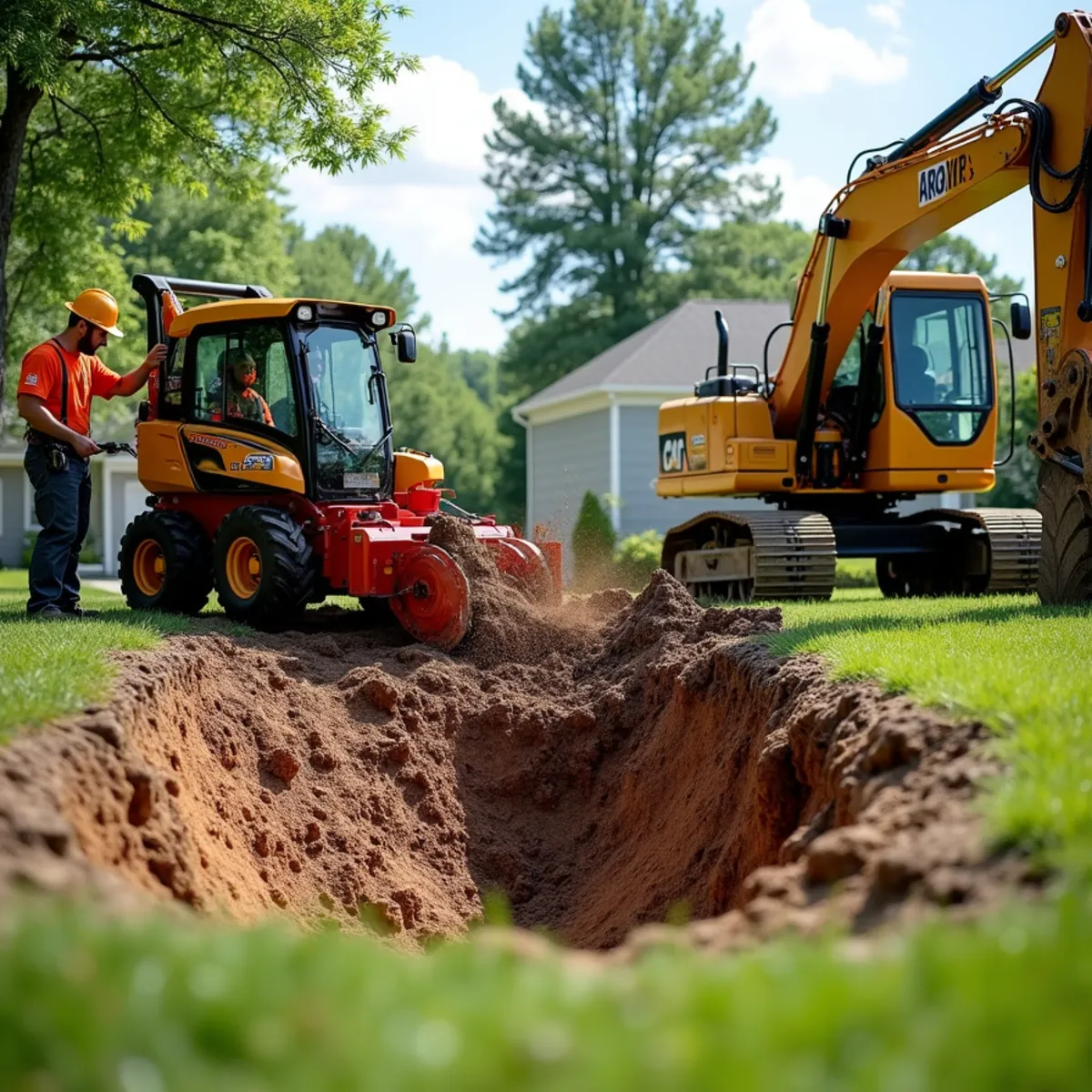
Operational Comparison: High-Speed Grinding vs. Excavator Grubbing
Once a dead or hazardous tree is cut down in your yard, you face an immediate decision: how to eliminate the unsightly, trip-hazard stump left behind. In the tree industry, there are two fundamentally different removal methods: 1. Mechanical Stump Grinding: A specialized rubber-tracked machine equipped with a high-speed steel cutting wheel studded with tungsten carbide teeth sweeps laterally across the stump, pulverizing the wood into fine shavings 6 to 12 inches below ground grade. 2. Excavator Grubbing (Full Stump Extraction): A 15-to-25-ton track excavator uses a heavy hydraulic bucket and toothed ripper shank to physically dig out the entire subterranean root ball, lifting thousands of pounds of root mass out of the earth. For 95% of established residential lawns in Mooresville, Cornelius, and Davidson, stump grinding is by far the superior, most cost-effective choice.
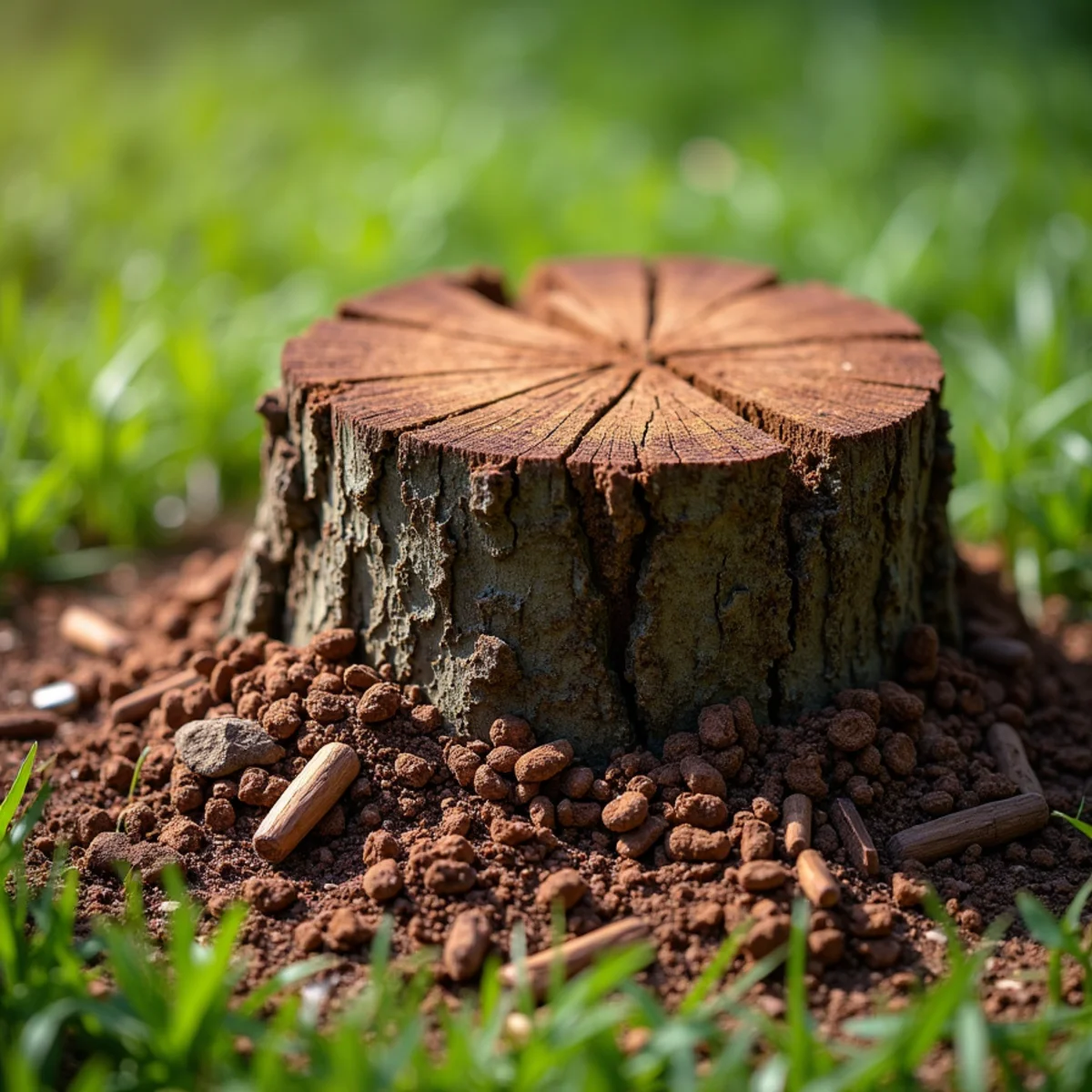
Subterranean Impact on Cecil Red Clay, Irrigation, and Septic Fields
The biggest disadvantage of full excavator stump extraction is collateral damage to your landscape. In dense Carolina red clay, a mature oak's root ball can measure 8 to 12 feet across and weigh upwards of 10,000 pounds.
Ripping that mass out leaves a massive, jagged crater resembling a bomb crater. Heavy excavator tracks rut lawn turf, while ripping lateral roots frequently snaps underground PVC sprinkler pipes, landscape lighting conduits, and delicate septic drain lines. In contrast, modern self-propelled stump grinders feature turf-friendly rubber tracks that exert low ground pressure, maneuvering through narrow 36-inch garden gates to pulverize the stump with zero impact on surrounding sod or irrigation.
Questions About Your Trees?
Speak directly with our local tree team. No automated robots.
The NC811 'Call Before You Dig' Mandatory Protocol
Many homeowners believe underground utility locators are only necessary when digging deep building foundations. In reality, modern telecommunications fiber optic cables, natural gas service drops, and secondary electrical lines are frequently buried just 6 to 12 inches below lawn grade—often directly through or beneath tree root flares.
Under North Carolina General Statute § 87-122 (the Underground Utility Safety and Damage Prevention Act), contractors must submit a utility locate ticket to NC811 at least three full working days before mechanical grinding begins. Race City Tree Crew handles all utility locate ticket filings for our clients, ensuring utility crews spray paint and flag all underground infrastructure before our carbide wheels spin.
Managing the Grindings: Mulch Backfill, Nitrogen Depletion, and Settling
Homeowners are often surprised by the volume of wood chips generated by grinding a 30-inch hardwood stump. Because the machine chips solid timber while incorporating surrounding red clay, the resulting volume expands to nearly double the size of the original stump.
To properly manage this ground zone: • Initial Backfill: We pack the freshly ground wood shavings and soil mix back into the cavity, crowning the mound 2 to 3 inches above the surrounding lawn to compensate for natural settling over the first 6 months. • Understanding Nitrogen Depletion: Wood decay bacteria consume nitrogen from the soil as they break down raw wood chips. If you plant grass seed or flowers immediately over pure wood chips, they will turn yellow from nitrogen starvation. Add a balanced high-nitrogen fertilizer or compost when establishing new turf. • Surplus Haul-Away: Any excess mulch can be spread throughout garden beds or hauled away upon request.
Replanting Over a Ground Stump: The Smart Homeowner's Guide
If your goal is to plant a new specimen tree to replace the one removed, resist the temptation to plant in the exact same spot. Even with deep grinding, the soil 12 inches down remains packed with woody shavings and severed anchor roots that restrict new taproots from penetrating dense clay.
The best arboricultural practice is to offset your new tree 4 to 6 feet away from the old stump location. Dig into native, undisturbed soil, amend the planting zone with compost, and mulch the surface. Within 2 to 3 years, the old subterranean root web will naturally decay into fertile humus. Call Race City Tree Crew at (321) 478-0689 for fast, affordable stump grinding across Mooresville and Lake Norman.
Frequently Asked Questions
Will roots keep growing or sprout shoots after a stump is ground down?
No. Grinding the trunk flare and root crown 6 to 12 inches below soil level terminates the tree's vascular transport system. Without photosynthetic energy from foliage, the remaining subterranean lateral roots naturally starve, decompose into organic matter, and will not sprout new sucker shoots.
Can I plant a new tree directly in the spot where a stump was ground?
You should not plant a new tree directly in the exact hole of a freshly ground stump. The ground cavity is packed with dense wood chips that deplete soil nitrogen during decomposition, and decomposing root plates restrict fresh root growth. Plant your new specimen 4 to 6 feet away in fresh, native soil, or wait 1 to 2 years while amending the ground zone with rich compost and topsoil.
What depth do professional stump grinders grind below grade?
Commercial tracked stump grinders operated by Race City Tree Crew typically grind stumps 6 to 12 inches below the natural ground surface for lawn sodding, and up to 14 to 18 inches deep for driveways, foundation pads, or deep hardscaping projects.
Do you have to call 811 before grinding a stump in North Carolina?
Yes. Under North Carolina law (NCGS § 87-122), mechanical stump grinding is classified as a subterranean excavation activity. Calling NC811 at least three full business days prior to grinding is legally mandatory to have public underground utilities (gas, power, telecommunications, water) located and marked with spray paint.
What should I do with the pile of wood chips left after stump grinding?
Stump grinding produces a mound of blended wood shavings and red clay roughly twice the volume of the original stump. This material makes outstanding organic mulch for garden beds and around established trees. We backfill the hole with mulch to grade level, and can haul away surplus chips upon request.
Related Tree Services & Local Coverage:
Need Tree Service in Mooresville or Lake Norman?
Our local crews are ready 24/7. Get a transparent written price before any work begins.
Click to call instantly • 24 hours a day
Not Urgent? Send a Request
For the fastest help, call (321) 478-0689. Otherwise, send details below and we will contact you.